More Than Masala: Why Indian Food on Screen Is Finally Getting the Story It Deserves
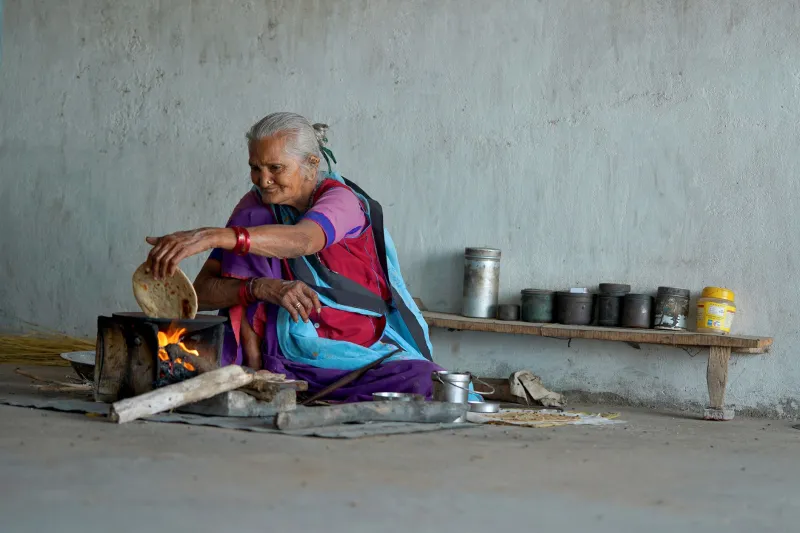
If you've watched enough cooking competition shows or food travel documentaries, you've probably noticed the pattern. Western host arrives in India. Western host is overwhelmed by spice. Western host eats something with their hands and calls it "life-changing." Credits roll. The food is always spectacular. The people making it are always warm and generous. And somehow, despite 45 minutes of screen time, you still don't know anything real about them.
That formula has been running for years, and it's been lucrative. But something is shifting — in both Hollywood and Bollywood — around how food gets used as a storytelling device. And the results are genuinely interesting.
The Western Template and Its Limits
Western cinema's relationship with Indian food has historically been one of spectacle and shorthand. A character who cooks elaborate Indian meals is coded as connected to their roots. A character who rejects that food is estranged from family. The kitchen is where the immigrant mother expresses the love she can't say out loud. These are not bad stories, but they're also not particularly deep ones.
Hollywood's food-centric films — from the charming but surface-level Chef to the more recent wave of diaspora-adjacent projects — tend to use cuisine as a visual and emotional prop rather than a lens. The food looks incredible. The cultural context stays decorative. What you rarely get is a serious engagement with the economics of a kitchen, the politics of a recipe, or the way food encodes class anxiety and regional identity.
That gap is exactly where Indian cinema is starting to do something more interesting.
What Bollywood Has Always Known (But Rarely Said)
Food in Indian culture is never just food. It's caste. It's region. It's the difference between a household that can afford ghee and one that can't. It's the specific way a dish marks you as being from a particular place — and how that marking can be either a source of pride or something you quietly suppress when you move to a city that doesn't value where you're from.
Bollywood has always had food in the frame, but usually in the background — the mother rolling rotis while the real scene happens around her. What's changing is that filmmakers are starting to put the food itself, and everything it represents, at the center of the narrative.
Recent Tamil and Malayalam productions have led the way here. Films exploring the politics of vegetarian versus non-vegetarian households, or the way a particular regional cuisine signals class position in an urban setting, have found audiences precisely because they're saying something true that polished mainstream cinema tends to avoid. The food isn't a prop. It's the argument.
The Class Story That's Been There All Along
For desi audiences in the US, the class dimension of Indian food storytelling hits in a specific way. A lot of first-generation immigrants came from households where food was both a source of deep pride and a marker of economic limitation. The elaborate Sunday biryani made from scratch wasn't just delicious — it was a statement about dignity, about maintaining something real in a new country.
When Indian cinema actually engages with that complexity — when it shows a character embarrassed by their lunchbox at work, or a chef who has mastered French technique but keeps the flavors of their grandmother's village in their muscle memory — it's doing something that Western food films almost never manage. It's treating food as a site of genuine tension rather than warm, uncomplicated nostalgia.
Why Hollywood Keeps Getting It Wrong
The honest answer is incentive structure. A Western production centering Indian food is usually selling an experience to an audience that wants to feel transported — to be the traveler, not the local. That framing requires the food to remain exotic, the culture to remain legible as "other." The moment you start getting into the politics of who gets to cook what and for whom, you've lost the fantasy.
There's also a representation problem behind the camera. When the writers' room doesn't include people who grew up eating the food being depicted, the result tends toward the same surface-level spectacle: beautiful visuals, zero interiority.
What South Asian Audiences Actually Want
Ask desi viewers in the US what they want from food-centric Indian cinema, and the answers are pretty consistent. They want specificity — not "Indian food" as a monolithic category, but the particular dish from a particular region that carries a particular history. They want the uncomfortable parts: the caste politics embedded in what a family will and won't eat, the way food becomes a battleground for assimilation and resistance in immigrant households.
They also want humor that comes from the inside. The experience of explaining your lunch to a coworker, or the specific pride and anxiety of cooking for non-desi guests — these are stories that desi audiences have been waiting to see handled with real intelligence rather than as punchlines.
The Moment We're In
Bollywood and regional Indian cinema are genuinely at the beginning of something with food storytelling. The ingredients are all there: a global audience hungry for authentic cultural narratives, a diaspora community that can tell the difference between genuine representation and a well-lit tourism brochure, and filmmakers who are increasingly willing to use the kitchen as a space for serious storytelling.
The question is whether the industry leans into the complexity or keeps defaulting to the safe, beautiful, unchallenging version. Based on what's been coming out of the South — and increasingly from younger Hindi filmmakers — there's real reason to be optimistic. The food on screen is getting more interesting. And the stories being told around it are finally starting to taste like something real.